When you’re preparing a gift basket for a client, you want it to feel like a warm hug in a box. But if that client has allergies, the hug must be safe, not a sneeze-inducing nightmare. Choosing a sweet gift basket for a client with allergies is both an art and a science. It’s about striking the right balance between delight and diligence, ensuring every item is a treat rather than a trigger. In this guide, we’ll walk through sweet gift baskets the essential steps, sprinkle in a touch of humor, and keep your gift both memorable and medically sound.
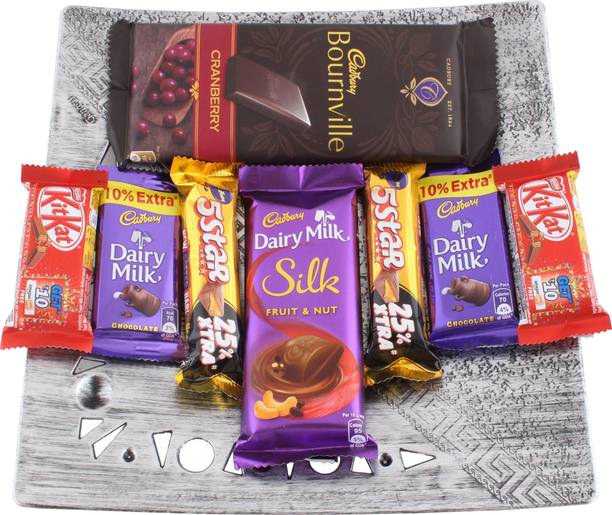
Understanding Allergy Constraints
Common Allergens in Gift Baskets
Before you even pick a basket, know what’s lurking in the typical confectionery lineup. Nuts, dairy, gluten, soy, and even certain fruit extracts can spark reactions. A simple chocolate bar can hide almond or cashew pieces, while a jar of honey might contain pollen remnants. Recognizing these hidden culprits is the first safeguard.
The Importance of Clear Communication
Ask the client politely: “Do you have any food allergies or dietary restrictions?” It’s better to ask than to assume. A quick email or a brief phone call can save you from a costly, awkward exchange later. Remember, a client who feels heard is a client who trusts you.
Building a Safe Basket
Selecting Allergy-Friendly Items
- Nut‑free chocolates: Look for brands that explicitly state “no nuts” and verify the production line is free of cross‑contamination. Dairy‑free treats: Coconut or oat‑based desserts are great alternatives. Gluten‑free goodies: Many bakeries now offer safe, delicious pastries. Allergy‑tested snack packs: Some specialty shops provide pre‑certified items.
When in doubt, choose items with minimal ingredient lists. The shorter the list, the lower the risk of hidden allergens.
Packaging and Labeling Best Practices
A well‑packaged basket is a gift that says “I care.” Use clear labeling:
- Allergy warnings: Stick a small card next to each item that lists potential allergens. Contact info: Provide the manufacturer’s allergy policy or a QR code linking to detailed product data. Sealed bags: Keep each item in its original, tamper‑evident packaging to avoid cross‑contamination during transit.
Think of the packaging as a protective shield—like a knight’s armor for your client’s health.
Personalization Without Risk
Customizing the Experience
Personal touches show effort, but personalization can also be a minefield. Instead of customizing with a client’s favorite chocolate brand (which might contain hidden allergens), opt for a custom note or a handwritten card. If you want to include a personalized item, verify it’s allergy‑free first.
Adding a Thoughtful Touch
A small, non‑food addition can elevate the basket without adding risk. Consider:
- A scented candle with hypoallergenic fragrance A branded notebook or pen A small succulent or a seed packet
These extras keep the basket sweet while sidestepping food allergies entirely.
Practical Tips and Resources
Where to Source Allergy-Friendly Products
- Specialty health food stores: They often carry a wide range of allergy‑friendly items. Online marketplaces: Look for sellers who specialize in allergen‑free products and read reviews. Local farms: Fresh, locally sourced produce is usually free of common allergens and adds a personal touch.
Checking Supplier Certifications
Certifications can be a quick way to confirm safety:
- USDA Organic: Often indicates strict allergen controls. Non‑GMO Project Verified: Signals a commitment to purity. Allergy Safe™: A label specifically for allergen‑free products.
Always double‑check the certification’s scope—some focus only on certain allergens.
Making Your Selection Count
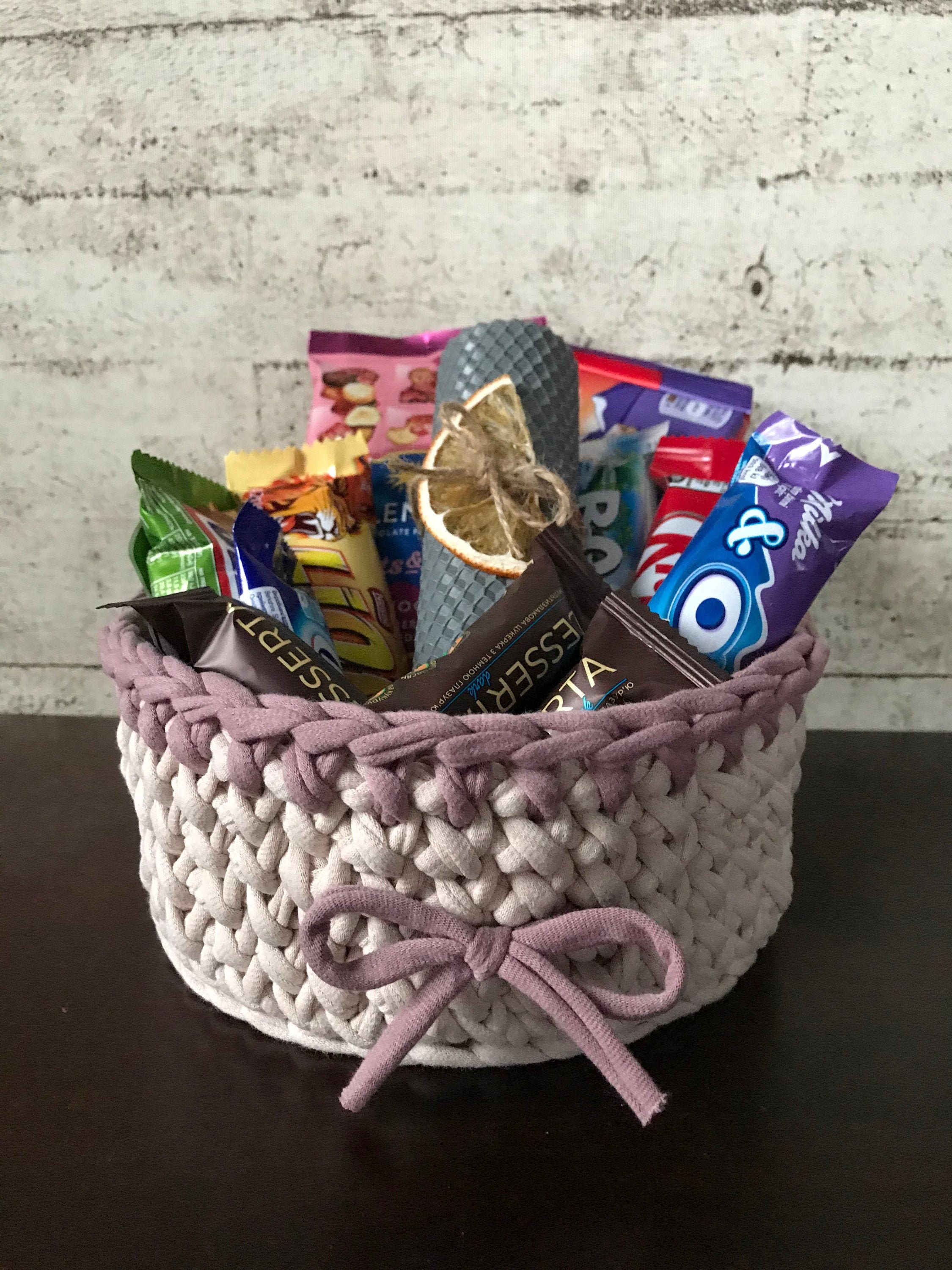
Choosing a sweet gift basket for a client with allergies is a delicate dance. It’s like walking a tightrope: one misstep, and you risk a fall. But with careful planning, clear communication, and a dash of creativity, you can deliver a gift that feels like a warm hug without the sting of an allergic reaction.
Remember, the goal isn’t just to avoid allergens; it’s to create a memorable experience that strengthens your professional relationship. As Maya Angelou once said, “People will forget what you said, but they’ll never forget how you made them feel.” By prioritizing safety and personalization, you’ll make your client feel truly cared for—and that’s the sweetest gift of all.
If you’re ready to put these tips into action, start by reaching out to your client, gathering their allergy information, and then building a basket that’s both delightful and safe. Your thoughtful approach will not only prevent any potential mishaps but also leave a lasting impression that could open doors for future collaborations.