Imagine opening a gift hamper, only to feel a sudden itch, a wheeze, or that dreaded “oh no, it’s gluten again” face‑palm moment. For men who juggle a busy schedule, a quick snack, and a growing list of allergens, the perfect hamper can feel like a minefield. In this guide, we’ll explore why some hampers are https://jsbin.com/xibadizugo not suitable for men with allergies, break down the hidden culprits, and give you the tools to choose a safe, satisfying, and surprisingly fun gift.
The Allergy Landscape: What Men Need to Know
Allergies can strike anyone, but men often face unique challenges. Between the high‑protein diet of the gym, the occasional “quick protein bar” snack, and the fact that many men still rely on the same old cereal or coffee, allergens can sneak into the most unsuspecting places.
Common Triggers in Hampers
- Gluten – found in baked goods, crackers, and even some protein bars. Dairy – cheese, yogurt, and chocolate with milk. Soy – soy sauce, tofu, and many processed snacks. Nuts – peanuts, almonds, and mixed nuts. Fragrances – scented soaps, lotions, and decorative candles.
These ingredients can be hidden in the labels or even in the packaging materials themselves. The next section dives into the material side of things.
Material Matters: From Fabric to Packaging
When you think of a hamper, you probably picture a woven basket or a sleek wooden box. But the choice of material can be as critical as the food inside.
Fabric Follies
- Natural fibers (cotton, linen) can carry pollen or dust mites. Synthetic blends may release micro‑fibers that irritate sensitive skin. Woven patterns with tight weaves can trap allergens in the crevices.
A good rule of thumb: choose a hamper with a smooth, easy‑to‑clean surface. A quick wipe with a damp cloth can reduce the risk of dust or pollen buildup.
Packaging Puzzles
Even the outer shell can be a danger zone. Some hampers come with paper liners, cardboard inserts, or plastic coatings that contain allergens or irritants.
- Paper liners may be treated with preservatives. Plastic coatings can contain BPA or phthalates, which some men find irritating. Foam inserts might hold residual fragrances from manufacturing.
When shopping, look for “allergy‑friendly” labels or ask the retailer for details about the materials used.
Ingredient Inspection: Food, Fragrance, and Beyond
Once you’ve secured a safe container, the real test is the contents. Men’s hampers often aim for a “taste of everything” approach, which can inadvertently include hidden allergens.
Food Allergies in a Hamper
A well‑curated hamper might feature:
- Granola bars – often contain nuts or soy. Chocolate – dairy or nut‑based. Jerky – soy or gluten in marinades. Specialty coffees – flavored with dairy or nut milk.
To avoid surprises, check each item’s ingredient list. Many manufacturers now offer allergen‑free versions, but they’re not always labeled as such.
Fragrance Fallout
Beyond the food, the hamper’s scent profile can be a silent trigger:
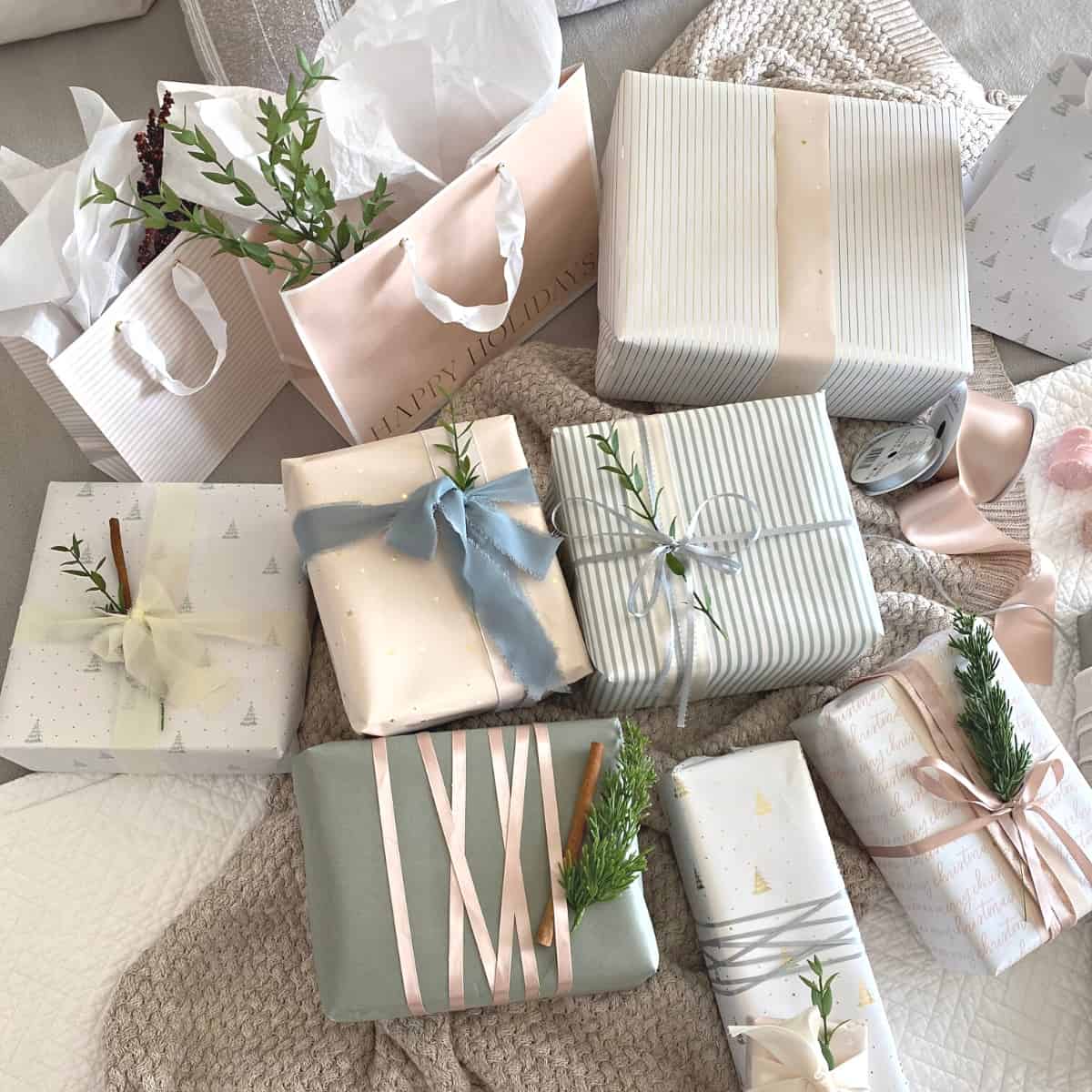
- Scented soaps – often contain essential oils or synthetic fragrances. Candles – beeswax or soy candles can still carry strong fragrances. Decorative sachets – may contain dried herbs or essential oils.
If the recipient is sensitive to fragrances, opt for unscented or hypoallergenic alternatives.

Practical Tips for Allergy-Friendly Hampers
Choosing the right hamper is part science, part art. Here’s a quick checklist to keep the allergies at bay:
- Read labels carefully – look for “gluten‑free,” “dairy‑free,” and “nut‑free” tags. Ask for ingredient lists – a quick phone call can save a trip to the pharmacy. Choose hypoallergenic packaging – look for recyclable or natural materials. Avoid scented items – unless you’re certain the recipient is fragrance‑tolerant. Include a small allergy card – a brief note explaining why certain items were chosen.
Anecdote: A friend once surprised his brother with a “gourmet” hamper that included a chocolate bar. The brother, allergic to milk, had to rush to the pharmacy for antihistamines. Moral of the story? Always double‑check the ingredients before you celebrate.
Making Your Selection Count
Now that you’re armed with knowledge, it’s time to choose a hamper that won’t cause a flare‑up. Think of the hamper as a carefully balanced recipe: the right ingredients, the right container, and a dash of personalization.
- Start with a clear theme – e.g., “Allergy‑Free Adventure” or “Clean‑Eating Essentials.” Curate items thoughtfully – include snacks, protein sources, and a few treats that fit the allergy profile. Add a personal touch – a handwritten note or a small, non‑allergenic accessory (like a silicone phone case). Double‑check every item – a quick scan of the label can save a future emergency.
Remember, the goal isn’t just to avoid allergens; it’s to celebrate the recipient’s https://rentry.co/2onb5ief tastes while keeping them safe. As the wise Dr. Jane Smith once said, “A gift that cares is the best gift of all.”
In a world where convenience often trumps caution, a thoughtful, allergy‑friendly hamper shows that you’re listening—and that you care. So next time you’re in the market for a gift, think beyond the usual and choose a hamper that’s as safe as it is stylish.